TSBT78: Tech Bytes And Hogwarts
🪄 Harry Potter, cloud architecture, system design, APIs, security, and engineering insights.
To my dearest reader, happy new day. A new day, another opportunity to choose to be and do better.
As Dumbledore always tells Harry Potter:
It is our choices, Harry, that show what we truly are, far more than our abilities

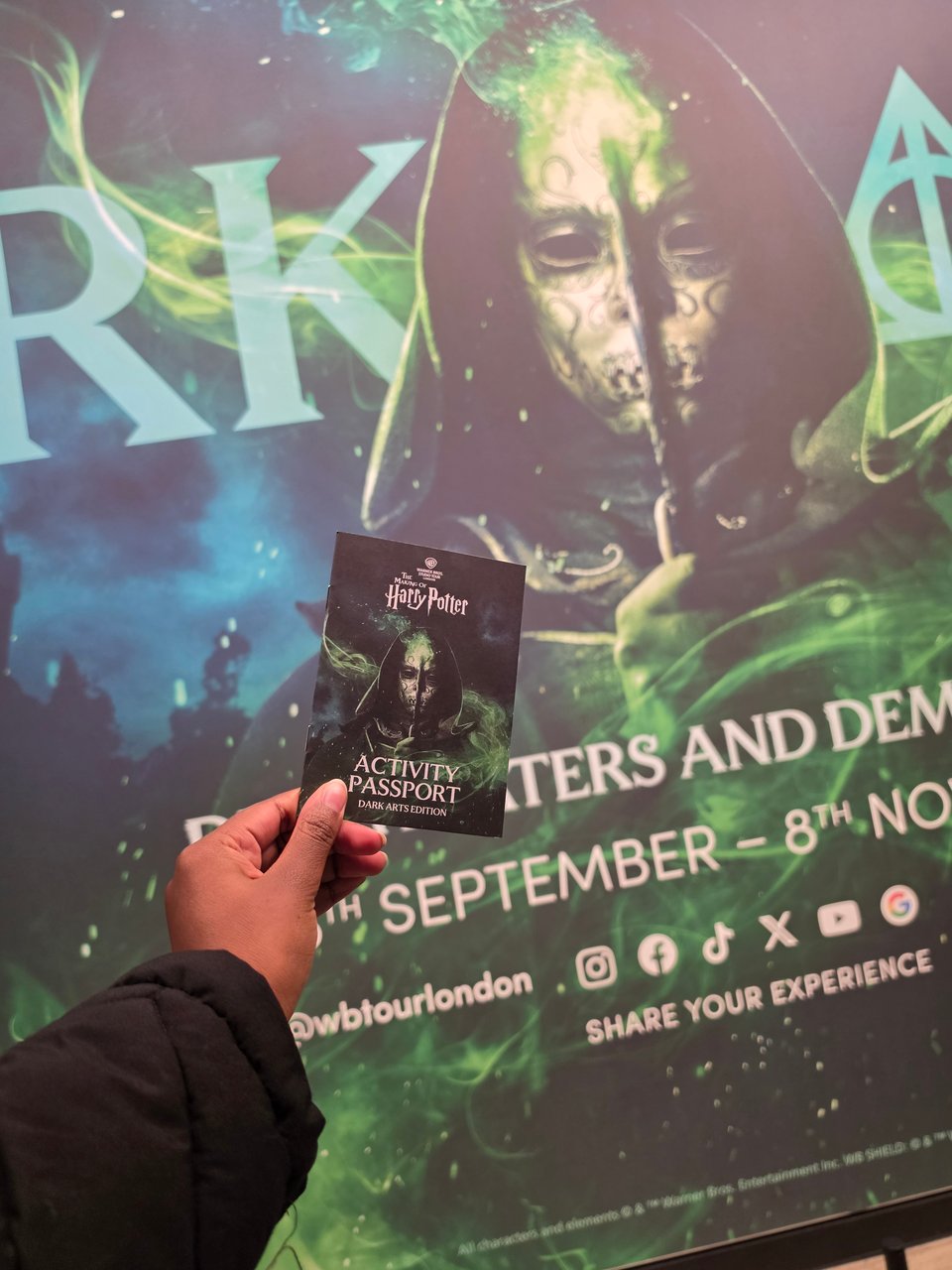
Harry Potter is one of those movies that we all loved when growing up. I got to visit the Warner Bros. Studio Tour London. It was long and fun! I highly recommend it.

I finished my 2-part series of CPython Internals. Part 1 was on: How CPython Processes Python Source Code and Part 2 is now available. Part 2 continues from where we left off: How CPython Compiles and Runs Python Code. I want to thank my friend, Jim Anderson for being my Core Python Editor for this series. It was a long one, but worth it. Feel free to read it and share it with someone who wants to learn about how Python works under the hood.
Turn Any Machine into an Interactive 3D Simulator via Claude Code: Teardown is an open-source Claude Code skill that turns simple text prompts into fully interactive 3D mechanical simulators. It shows how AI-powered development tools can make mechanical exploration and interactive simulations more accessible.
Visual System Design Reference: System Design Explainer, is an open-source, interactive platform that helps developers visualise and understand software architectures across AWS, Azure, Google Cloud (GCP), and open-source technologies. It provides animated, step-by-step request-flow walkthroughs, allowing users to explore how complex systems such as YouTube, Netflix and Amazon operate behind the scenes. Its main selling point is that it enables users to instantly switch between cloud providers, mapping equivalent services while preserving the underlying architecture.

Model Context Protocol Explained: An open-source, interactive learning platform developed by Runlayer that helps developers understand how MCP connects AI applications such as Claude, ChatGPT, and Cursor to external tools, data sources, and services.
Localization basics: This article explains four essential concepts, t9n, l10n, i18n, g11n, involved in building software for international audiences. Translation (t9n) focuses on converting text between languages. Localization (l10n) adapts applications to specific languages, cultures, and regional requirements. Internationalization (i18n) is the engineering process of designing software to support multiple locales. Globalization (g11n) encompasses the broader business strategy of expanding products into international markets. Internationalization lays the technical foundation, localization tailors the user experience, and globalization enables international growth.

Designing an Engineering Strategy: Engineering strategies should prioritise measurable business outcomes, focused actions, and alignment with organisational OKRs.
The AWS Decision Framework: This article provides a comprehensive, practical guide to making informed AWS architecture and system design decisions, focusing on understanding trade-offs rather than memorising cloud services.

Free and open-source tracker of every public CVE: CVE Ledger is a free, open-source vulnerability intelligence platform that aggregates and tracks over 400,000 publicly disclosed Common Vulnerabilities and Exposures (CVEs). By eliminating paywalls, sign-ups, and paid API tiers, it gives security engineers, developers, and DevSecOps teams friction-free access to the data they need to monitor threats, assess risk, and prioritise remediation
GitHub Repositories You’ll Wish You Found Sooner

Open Source FL Studio Alternative, Written in Rust, That an AI Agent Can Work In: a free, open-source Digital Audio Workstation (DAW), built as an alternative to FL Studio, combining high-performance audio processing with AI-powered music production.This project demonstrates how AI agents can move beyond code generation into interactive creative applications, enabling automated music production while preserving human control and real-time editing capabilities.

The word of the day is auspicate. To auspicate is to initiate with ceremonies calculated to ensure good luck.
Example in a sentence:
Before moving into their new house, they prayed to auspicate it for the memories they would make there.
I am making my grand departure into the unknown.
Take care of yourself!
Until the next fortnight, my treasured reader, go forth, and may the odds be ever in your favour! 👏 🤖 ✊ ☠️ 🏹 🪖


Add a comment: